NFT & Blockchain
Cardano NFT Ecosystem Takes A Major Shift With JPG Store’s Closure
Introduction
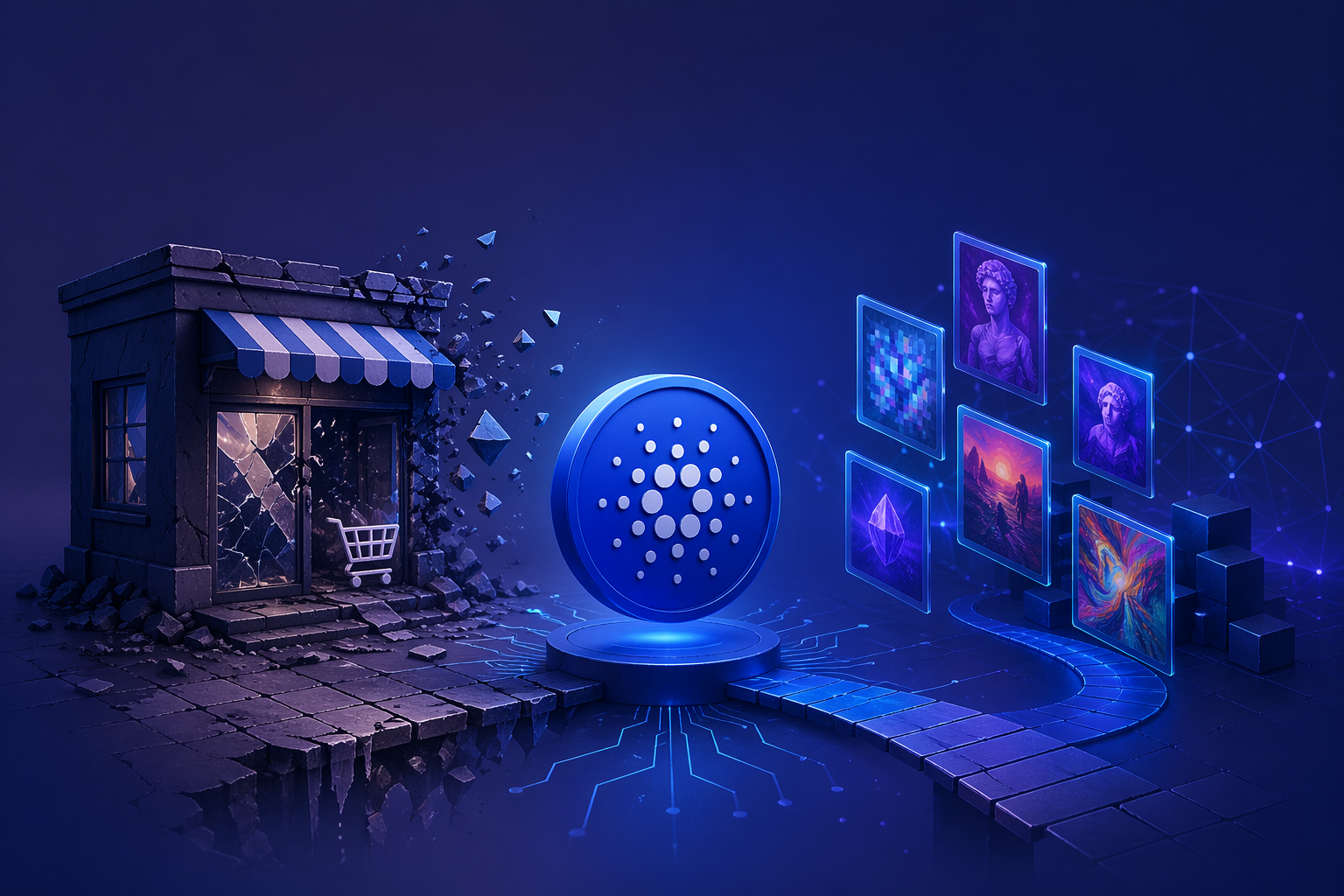
Lately, the news of JPG Store halting operations has sent shock waves through the NFT community globally. The platform’s sudden exit from the industry underscores the broader structural changes taking place across the digital asset market. Once seen as the backbone of the Cardano NFT ecosystem, This is not just the collapse of one marketplace, but rather a symptom of the greater challenges with NFTs, blockchain-based platforms and the changing expectations of users and investors in 2026.
For years, JPG Store was the moniker in Cardano NFTs. It was the major entryway for collectors, artists and traders to get engaged in a fast growing ecosystem. Its importance made it a vital infrastructural component in the digital economy of Cardano. The shutdown leaves unanswered a number of pressing questions concerning sustainability, competitiveness, and where NFT platforms go from here across numerous blockchains.
JPG Store And Cardano NFT Growth
JPG Store emerged on the scene in a business that was still nascent. NFTs were already making news for the public on networks like as Ethereum but Cardano was trying to find a cheaper and more scalable option. JPG Store capitalized on this by offering a simple user experience, lower transaction fees, and a growing quantity of NFT collections.
It quickly became the biggest NFT marketplace in the Cardano ecosystem. It made it easier for artists to develop and list digital assets, and collectors paid cheaper costs than they would in Ethereum-based marketplaces. The accessibility led to a rush of acceptance, especially amongst users who couldn’t pay ethereum’s expensive gas fees.
In the midst of the NFT boom, most of the NFT activity on Cardano was JPG Store. The platform hosts collections ranging from digital art to game elements. Additionally, the marketplace became a key onboarding tool for new users into the Cardano ecosystem, serving as both a discovery and transactional tool.
The Post-Hype Reality And The Market Saturation
Since its heyday in the early 2020s, the NFT market has gone through some big swings. What was once a fast developing sector fueled by speculation and media attention, has transformed into a more cautious, utility oriented space. The shift has exposed the vulnerabilities of platforms that have relied too much on trading volume and speculative interest.
JPG Store also reflected these changes. Overall, the business was experiencing diminishing NFT trading volumes and it was becoming increasingly operationally challenging to be profitable. The excitement that had driven millions of transactions a day began to fade, and a more discriminating, value-conscious user base emerged.
The larger NFT market crash affected almost all major platforms, regardless of the blockchain. Even Solana and Ethereum-based ecosystems have suffered substantial declines in activity. It was much more pronounced for JPG Store which operated in the rather small Cardano ecosystem.
Specific Challenges Of The Cardano Ecosystem
The world-wide NFT slowness was a huge part but JPG Store also had some Cardano-specific hiccups. Cardano has some fundamental tech benefits, but it’s struggled to attract the same level of developer activity and ecosystem diversity as some competing blockchains. This limitation affected the quantity and type of NFT projects on JPG Store.
And the other thing was the liquidity. Active trading is the essential to NFT marketplaces, and liquidity is the key to price discovery and user engagement. Cardano’s NFT ecosystem has fewer high-value transactions and less institutional participation compared to Ethereum-based platforms. This made it difficult for JPG Store to maintain the momentum when demand was slow.
Plus, the competition within the overall NFT space increased up. New platforms emerged with innovations like dynamic NFTs, gaming integrations and token-based incentives. Such advances raised client expectations, forcing existing marketplaces to adjust fast.
NFT Marketplace Economics
Operating an NFT marketplace is not only about transaction processing. Platforms need investment in terms of infrastructure, security, customer support, and ongoing development. Transaction fees is the main source of revenue . This is highly tied to the volume of trades .
As volumes go down so does income while operational costs remain basically static. The imbalance results in a climate that is inhospitable to sustainability. The decline in trading activity likely had a lot to do with JPG Store’s decision to shut its doors.
The competitive environment is also more challenging for markets to differentiate themselves from the competition. What was cutting edge is now status quo and platforms are always having to innovate merely to hold on to people. This continuing drive for development equals more financial strain
Its Effect On Artists And Collectors
The termination of JPG Store has immediate consequences for artists and collectors in the Cardano ecosystem. The site was a major platform for creators to show off and make money from their work. Its closure will require many artists to find new platforms or adapt to new ecosystems.
This leaves collectors wondering how liquid their assets are, and how accessible they are. NFTs are still on the blockchain, but without a dominant marketplace it is more difficult to get, sell or find new assets. That could entail less activity and lower valuations in the short term.
The situation is also an illustration of the importance of decentralisation. NFTs are decentralized by nature, yet the marketplaces they are sold on can sometimes operate as a centralized middleman. If you depend on one big marketplace, you’re in trouble when that marketplace goes.
Industry Implications
JPG Store’s closure isn’t an isolated incident but rather a symptom of a wider trend hurting the NFT sector. The market is growing, the weaker or less sustainable platforms are getting weeded out and stronger more imaginative enterprises are getting a chance.
You could see this process as a natural flow, not as a failure. The NFT space is going through a similar consolidation and restructuring process to that of early internet enterprises. The emphasis is moving away from fast growth and toward longevity and tangible benefit.
The future of NFTs will be tied to applications such as gaming, digital identity and tokenized ownership as emerging trends indicate. In the shifting environment, platforms that can bring together different use cases will have a better shot.
The Shift To Utility-Driven NFTs
One of the biggest breakthroughs in the NFT sector is the shift from speculative assets to utility-based applications. The majority of the early attempts in NFTs were in the sphere of digital art and collectibles, where the value was primarily related to rarity and excitement in the community.
On the other hand, newer initiatives are function-oriented. NFTs are increasingly used for access control, membership programs and in game assets. With this change, marketplaces will have to deal with increasingly complex interactions and provide more than just buying and selling.
This new paradigm would have required a lot of investment and ingenuity for platforms like JPG Store. Perhaps it was the fact that it did not move fast enough that contributed to its decision to exit the market.
Lessons For The Future From The NFT Platform
The closure of JPG Store is a crucial lesson for developers and businesses in the NFT space. The lesson is the need of variety. If you have just one stream of revenue or user group you can be vulnerable if the market goes down.
Another lesson is the need for ongoing innovation. The blockchain industry is developing fast and platforms need to keep up. It includes embracing new technology, improving the user experience and exploring new business models.
Finally, it is important to be resilient and flexible. “The market can change quickly and platforms need to be prepared for times of uncertainty. Sustainable economics and a compelling value proposition are fundamental to long-term success.
Cardano NFTs: The Future?
The JPG Store shutdown is a big blow, but the Cardano NFT ecosystem is not going to die. Blockchain networks are, by design, robust and new platforms can develop to replace JPG Store.
Cardano community developers are still working on novel applications, and hope to see growth pick up again once the market stabilizes. However, the ecosystem must overcome problems like liquidity, user uptake and platform diversification to remain competitive.
The future of Cardano NFTs will depend on the community’s ability to adapt to evolving market conditions and to embrace new opportunities. This can include working with other ecosystems, incorporating DeFi, and developing new use cases outside regular collections.
Conclusion
The closure of JPG Store is a significant moment in the evolution of the NFT market. It’s a reminder that even the biggest platforms are not immune to market and user expectation changes. While this may not be great news for those directly affected, it also gives a chance for reflection and change in the broader ecosystem.
The NFT space will mature towards sustainability, innovation and real world utility. The platforms that can deliver these requirements will be better placed to win the next phase of growth.
In this sense, JPG Store’s closing is not the end but the symbol of transformation. The emphasis is on the importance of resilience and forward looking tactics as the sector moves beyond the initial excitement into a more robust and important future.