Cryptocurrency
Binance Expands USD1 Stablecoin Integration With New Spot Trading Pairs
Introduction
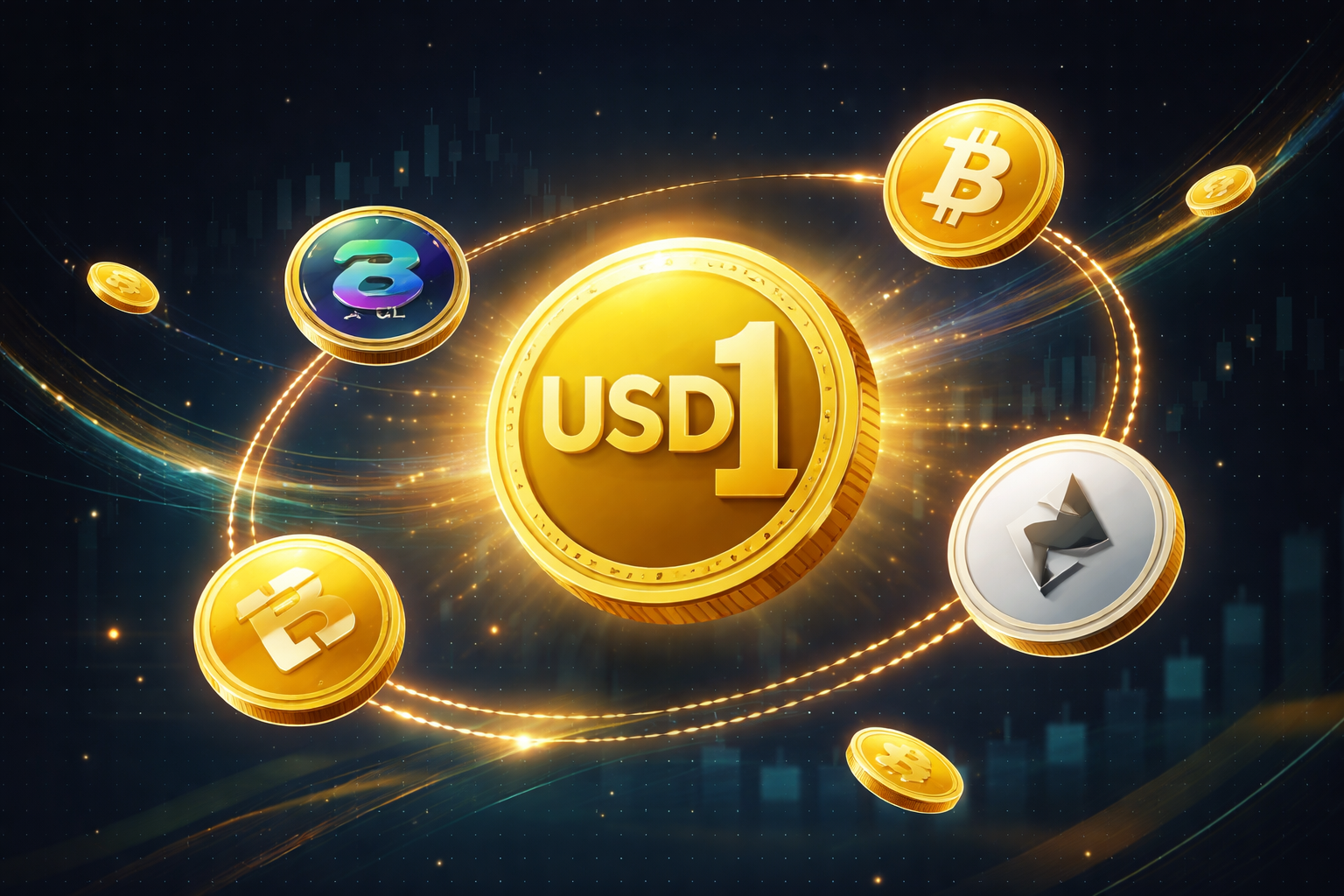
The global cryptocurrency ecosystem continues to evolve rapidly, driven by advancements in exchange infrastructure, stablecoin innovation, and institutional adoption. One of the most significant developments of late is Binance’s expanded integration of the USD1 stablecoin, issued by World Liberty Financial. This update introduces new spot trading pairs, implements zero-fee incentives, reshapes collateral systems within Binance Futures, and further positions USD1 as a key player in the growing stablecoin landscape. As the crypto industry matures, moves like this can shift market liquidity, alter trading behaviors, and influence institutional strategies.
Understanding The USD1 Stablecoin And Its Market Role
USD1 is a U.S. dollar-pegged stablecoin backed by cash deposits, short-term U.S. Treasury bills, and highly liquid cash equivalents. Its reserves are held under the custody of a regulated trust company, making it attractive to users who value transparency and regulatory alignment. Stablecoins play three critical roles in the world of digital assets. First, they provide a reliable trading base pair, allowing crypto traders to move in and out of volatile assets without relying on fiat conversions. Second, they function as settlement tools within exchanges and financial platforms. Third, they form the backbone of decentralized finance protocols, powering lending, borrowing, and liquidity pools.
Expansion Of USD1 Trading Pairs On Binance
One of the most impactful components of Binance’s announcement is the listing of several major spot trading pairs denominated in USD1. These include BTC/USD1, ETH/USD1, BNB/USD1, and SOL/USD1. Each pair features some of the most widely traded and most capitalized digital assets in the world, ensuring immediate visibility and significant liquidity potential for the stablecoin. Previously, traders primarily relied on USDT or USDC as the base currency for these assets. The addition of USD1 introduces more choice, possibly increases market competition, and may lead to more balanced liquidity distribution across stablecoins.
The introduction of USD1 pairs means that traders no longer need to convert between multiple stablecoins to execute certain strategies. For arbitrage traders, this opens new paths across price differentials. For long-term investors, it provides a stable alternative that may align better with specific transparency or regulatory preferences. Binance’s decision to denominate high-volume assets in USD1 also signals strong confidence in the stablecoin’s long-term viability.
Zero-Fee Incentives And User Benefits
To encourage adoption, Binance has introduced zero-fee trading incentives for the new USD1 spot pairs. This preferential rate applies to users at various VIP levels as well as spot liquidity providers. In addition, trading pairs between USD1 and major stablecoins such as USDT and USDC have been made free to trade. Fee structures play a major role in trading behavior because even small percentage fees significantly impact the profitability of high-frequency and institutional trading operations. By lowering the cost of trading USD1, Binance is effectively inviting market makers, arbitrage traders, algorithmic trading firms, and large-volume participants to build liquidity around the stablecoin.
The zero-fee model also encourages everyday retail users to try USD1 without incurring additional trading costs. When a stablecoin gains liquidity and usage at both retail and institutional levels, it strengthens its peg stability, increases velocity, and enhances its credibility as a transactional asset. Binance’s incentive strategy appears crafted to accelerate USD1’s adoption curve, pushing it more rapidly into mainstream trading activity.
USD1 As A Unified Margin Asset On Binance Futures
Beyond spot trading, Binance has made USD1 available as a unified margin asset for its futures platform. Under multi-asset mode, traders can use USD1 as collateral to trade contracts across multiple cryptocurrencies. This is a major advantage for traders who want a stable, reliable margin currency that does not fluctuate in value. Stablecoins have become the backbone of futures markets because they allow traders to manage risk more effectively. Using USD1 as margin means traders can avoid exposure to volatile assets while opening leveraged positions.
This integration signals Binance’s intention to embed USD1 deeply into its ecosystem rather than merely offering it as another trading pair. The more use cases a stablecoin has — especially in advanced trading environments like futures and margin platforms — the more likely it is to become a staple currency on the exchange. Unified margin systems also help professional traders optimize their strategies by allowing flexible collateral deployment, reducing friction, and enhancing capital efficiency.
Automatic Conversion Of BUSD Collateral To USD1
As part of this update, Binance has confirmed that collateral previously held in BUSD will be automatically converted to USD1 at a 1:1 ratio. This marks a significant transition within Binance’s stablecoin infrastructure. BUSD was once a major stablecoin in the crypto market, but regulatory pressures and changes in issuance halted its growth. By moving user collateral to USD1, Binance is signalling a shift to a newer stablecoin ecosystem deemed more compliant, modern, and institutionally acceptable.
This automatic conversion also helps protect users from liquidity risks. With BUSD usage declining, trading pair volume has thinned over time. Converting to USD1 ensures users are positioned with a stablecoin supported by major liquidity pairings, improved market participation, and consistent trading volume. For Binance, this also simplifies operational processes by moving toward a smaller, more efficient set of supported collateral assets.
Growing Institutional Interest In Transparent Stablecoins
Institutional interest in cryptocurrency continues to grow, but the stablecoin market has long been scrutinized for transparency and reserve adequacy. USD1 attempts to address this by backing each token with highly liquid assets held by regulated custodians. This structure closely resembles the reserve models traditionally used in money market funds and financial institutions, making USD1 more appealing to hedge funds, corporates, and regulated trading entities.
Institutional participants value transparency for several reasons. They require assurance that assets used for settlement and collateral will hold value. They need compliance clarity to satisfy auditors and regulators. They prefer stablecoins that are less vulnerable to sudden de-pegging events. Given these priorities, USD1’s structure aligns strongly with institutional requirements, and Binance’s integration may attract a new wave of professional participants looking for secure trading infrastructure.
The Competitive Landscape Of Stablecoins
The stablecoin market has historically been dominated by two major players. Over time, these stablecoins developed enormous liquidity pools, deep exchange integrations, and widespread acceptance across decentralized platforms. The introduction of USD1, however, broadens the landscape and introduces new competitive dynamics. Each stablecoin’s reputation hinges on liquidity, transparency, regulatory compliance, and accessibility.
Competition benefits the overall market by encouraging issuers to enhance their reserve disclosures, adopt better custody practices, improve interoperability, and enhance user confidence. A more competitive marketplace also reduces systemic risks associated with over-dependence on a single stablecoin issuer. By supporting USD1 so aggressively, Binance is promoting a more decentralized and diversified stablecoin future, potentially reducing reliance on legacy options.
Liquidity Implications For The Broader Market
Liquidity is one of the most important factors determining whether a stablecoin becomes widely used. With Binance hosting some of the world’s deepest and most active trading pools, the addition of USD1 increases its potential to quickly grow in volume and circulation. As traders adopt USD1 for spot and futures markets, liquidity increases and spreads narrow. This leads to more efficient markets, reduced slippage, and improved price discovery across trading pairs.
Deep liquidity also supports stablecoin stability. A well-backed stablecoin with strong liquidity is less likely to face price volatility or temporary de-pegging during periods of market stress. Binance’s zero-fee program accelerates this effect by drawing both automated and human market makers to fill order books. If USD1 liquidity reaches critical mass, it could reshape cross-exchange arbitrage routes, influence trading algorithms, and even affect how other exchanges structure their stablecoin markets.
Regulatory And Compliance Considerations
Regulatory developments over the past several years have made it clear that stablecoins are top priorities for policymakers around the world. Governments are focused on ensuring stablecoins maintain full reserves, uphold compliance standards, and remain stable during economic or market shocks. USD1’s reserve structure positions it to meet many of these regulatory expectations. Its custodial model provides clarity and compliance readiness that regulators often demand.
Binance’s decision to expand USD1 usage across its ecosystem suggests strategic planning for a future in which compliant and transparent stablecoins become the global standard. Exchanges that integrate such assets early may be better positioned when new regulations emerge. This is especially relevant for global exchanges operating in multiple jurisdictions with differing compliance frameworks.
Impact On Retail Traders And Everyday Users
For everyday cryptocurrency users, USD1’s integration offers a number of practical benefits. New trading pairs provide more choice in asset pairings. Zero trading fees make trading more affordable. Margin support allows more stable risk management tactics. Users who previously held BUSD will now transition seamlessly to USD1, allowing them to trade in pools with healthier liquidity. Retail traders often benefit from institutional-grade tools when exchanges implement policies aimed at professional users, and this update is no exception.
Furthermore, a stablecoin backed by fully disclosed reserves and regulated custody may provide additional confidence for new crypto adopters who remain cautious about stablecoin risks. With exchanges and regulators promoting greater transparency, USD1 may become a preferred option among cautious retail investors.
Future Outlook For USD1 Adoption And Integration
The expanded integration of USD1 on Binance may mark the beginning of a broader shift in stablecoin infrastructure. If USD1 continues to grow in market capitalization, more exchanges may choose to adopt it. If trading volume increases across major currencies, decentralized platforms may list it in liquidity pools. If institutional satisfaction remains high, treasury departments, fintech firms, and payment platforms may consider adopting USD1 for settlement and operations.
Stablecoins with strong transparency and backing may also become preferred tools in cross-border settlements and payment networks. As global finance becomes increasingly digitized, digital dollars may play a role in everything from everyday spending to international trade. USD1’s architecture positions it well for this evolving financial environment.
Conclusion
Binance’s expansion of USD1 integration marks a significant step forward in the evolution of the stablecoin ecosystem. With new spot trading pairs, zero-fee incentives, support for futures margin, and the conversion of legacy collateral, USD1 is being woven deeply into the core of Binance’s trading infrastructure. This strategic move enhances liquidity, improves compliance alignment, expands user choice, and introduces new competitive dynamics to the stablecoin market. As fintech, blockchain, and global finance intersect more closely, developments like this are shaping how digital assets will function in future financial systems.