AI
T-REX Launches Intelligence Layer For Web3: A New Era For Digital Value Distribution
Introduction
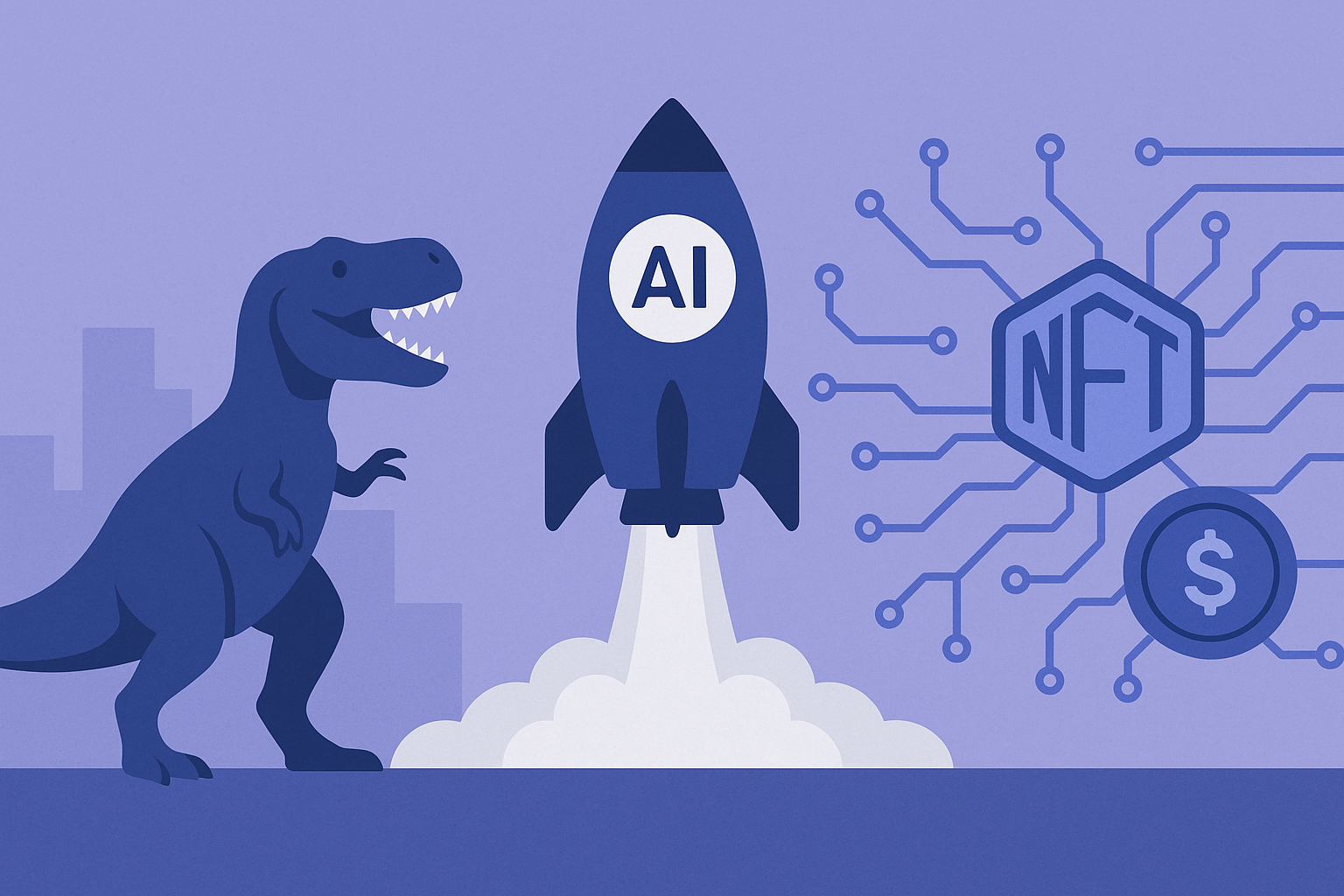
The Web3 landscape has evolved rapidly over the past few years, moving beyond the hype cycles of cryptocurrency trading and NFT collectibles into a more sustainable, infrastructure-driven era. At the center of this shift lies a need to rethink how value is created, distributed, and consumed across decentralized ecosystems. In September 2025, T-REX announced the launch of its groundbreaking on-chain intelligence engine, a technological framework designed to restructure the way value circulates within Web3. More than just a new tool, this initiative represents a conceptual shift, repositioning NFTs from speculative assets toward cultural markers and embedding intelligence into the core of decentralized applications.
By understanding both the technological underpinnings and the cultural significance of this development, we can appreciate why the T-REX intelligence layer is being hailed as a major milestone in blockchain history.
The Need For An Intelligence Layer In Web3
The early years of Web3 were defined by experimentation, with NFTs emerging as symbols of ownership and identity in digital spaces. However, the rapid proliferation of projects exposed a fundamental flaw: most NFTs were valued primarily as speculative assets rather than meaningful cultural tokens. Communities were left chasing short-term profits, while long-term engagement and cultural utility lagged behind. This disconnect highlighted the lack of intelligence-driven systems that could align incentives, reward participation, and create lasting value.
An intelligence layer in Web3 addresses these shortcomings by embedding analytics, contextual data, and value distribution mechanisms directly into the blockchain. Rather than treating NFTs and tokens as static assets, this layer enables them to evolve dynamically in response to user engagement, cultural relevance, and community interaction. T-REX’s approach is designed to solve the problem of fragmented value distribution, ensuring that creators, communities, and participants all benefit from their contributions.
Understanding The T-REX Intelligence Engine
At its core, the T-REX intelligence engine functions as an on-chain data and engagement system. Unlike traditional off-chain analytics platforms that track behavior in Web2, this intelligence engine is fully integrated into blockchain infrastructure. It monitors interactions, evaluates cultural signals, and dynamically adjusts how value is allocated across ecosystems.
By treating NFTs as cultural markers rather than just collectible assets, the engine emphasizes context and meaning over speculation. For example, a digital artwork NFT can accrue value not just because it is scarce but because it is part of a meaningful cultural event, a widely discussed narrative, or a community-driven movement. This cultural intelligence ensures that value reflects relevance, not merely supply and demand dynamics.
Additionally, the T-REX engine incorporates advanced engagement layers. This means NFTs and tokens can now embed metrics such as community participation, event attendance, or even social sentiment directly into their smart contracts. By doing so, they become more interactive and reflective of ongoing cultural dynamics.
Redefining NFTs: From Collectibles To Cultural Markers
NFTs were once hyped as the next frontier of digital ownership. While they introduced groundbreaking possibilities for artists, musicians, and creators, their trajectory was marred by speculation, environmental concerns, and unsustainable growth patterns. With T-REX’s intelligence layer, NFTs are being repositioned as cultural markers—representations of shared experiences, identities, and movements.
This reframing shifts the focus from scarcity-driven speculation to cultural participation. For instance, an NFT tied to a community-driven environmental campaign could gain value as participation grows, as conversations intensify, or as global awareness spreads. Instead of being a speculative token held by a few, it becomes a cultural badge representing involvement and alignment with values.
The practical implications are vast. Music festivals, online communities, sports clubs, and social causes can now issue NFTs that carry not only ownership but also real-time cultural weight. Fans and participants are no longer passive holders; they actively shape the narrative and value of the tokens they own.
Restructuring Value Distribution In Web3
One of the most pressing challenges in the Web3 ecosystem has been the uneven distribution of value. Early adopters and speculators often capture disproportionate benefits, leaving creators and communities undercompensated. T-REX’s intelligence layer aims to rebalance this equation.
Through its on-chain intelligence engine, value is redistributed based on participation, cultural impact, and sustained engagement. Rather than a one-time sale determining the fate of an NFT’s value, ongoing contributions from the community influence how rewards are allocated. This ensures that artists, event organizers, and community leaders continue to benefit from their work long after the initial transaction.
Moreover, the intelligence engine supports micro-incentivization. Small actions—such as attending events, contributing to discussions, or amplifying cultural content—can now be tracked and rewarded in ways that were previously impossible. This fosters healthier ecosystems where participants at all levels feel valued and incentivized to contribute.
Engagement And Data Layers: Enhancing Community Experiences
The introduction of engagement and data layers is perhaps the most transformative aspect of T-REX’s launch. Traditional NFTs offered ownership but limited interaction. The new framework embeds intelligence into every token, enabling richer and more dynamic community experiences.
For example, an NFT tied to a live music performance could evolve as the event unfolds. Attendees might receive unique upgrades to their tokens based on their level of participation, creating personalized cultural markers. Similarly, a token linked to an online gaming community could dynamically adjust its utility based on player achievements or group milestones.
These engagement layers also address the problem of data silos. In Web2, platforms monopolized user data, often exploiting it without fair compensation. In contrast, the T-REX intelligence layer keeps data transparent, decentralized, and aligned with user interests. Participants know how their interactions contribute to value creation, and they can verify this directly on-chain.
Cultural And Economic Implications
The cultural implications of this shift are profound. By repositioning NFTs as cultural markers, the T-REX engine brings authenticity and meaning back into the digital asset space. Communities can rally around shared values, and cultural movements can be recorded and preserved on-chain in a meaningful way.
Economically, the model fosters sustainability. Speculative bubbles, which previously defined the NFT market, are replaced by a system where value accrues steadily through engagement and participation. Creators gain long-term revenue streams, while participants are rewarded for their contributions. This democratizes access to value and reduces the concentration of wealth in the hands of early adopters or large investors.
In many ways, this development marks the maturation of Web3. Just as the internet evolved from static webpages to dynamic social platforms, Web3 is evolving from speculative token trading to culturally intelligent ecosystems.
Challenges And Criticisms
Despite its promise, the T-REX intelligence engine is not without challenges. One concern is scalability. Embedding intelligence directly into tokens requires significant computational resources, raising questions about efficiency and transaction costs. While advancements like Ethereum’s Fusaka upgrade may help, the demand for scalable infrastructure remains critical.
Another challenge lies in adoption. For the intelligence layer to succeed, it must be embraced widely by creators, platforms, and communities. Without broad participation, the system risks becoming another niche innovation rather than a transformative force.
Critics also raise concerns about cultural commodification. By embedding cultural markers into NFTs, there is a risk of over-commercializing cultural experiences, reducing them to tradable assets. Balancing authenticity with monetization will be key to ensuring that the T-REX engine enhances, rather than undermines, cultural value.
The Road Ahead For T-REX And Web3
Looking forward, the launch of T-REX’s intelligence layer is likely to catalyze a wave of innovation in the Web3 space. We can expect new platforms to emerge that leverage cultural intelligence to drive engagement, as well as established companies integrating these frameworks into their offerings.
Music and entertainment industries stand to benefit greatly, as NFTs tied to cultural moments become more interactive and meaningful. Sports organizations, too, can leverage these tokens to deepen fan engagement and reward loyalty. Even educational and nonprofit sectors could issue cultural NFTs that reflect participation in knowledge-sharing or social initiatives.
At the same time, regulators and policymakers will need to keep pace with these developments. Ensuring that cultural intelligence systems are transparent, fair, and aligned with consumer protection standards will be essential for long-term sustainability.
Conclusion
The launch of T-REX’s intelligence engine marks a turning point for the Web3 ecosystem. By embedding intelligence into tokens and reframing NFTs as cultural markers, the system addresses longstanding issues of value distribution, community engagement, and speculative excess. It represents not just a technical innovation but a cultural renaissance, where digital assets regain their meaning and communities reclaim ownership over cultural narratives.
As the ecosystem continues to evolve, the intelligence layer introduced by T-REX may well become the standard by which Web3 projects are judged. Its ability to align incentives, foster engagement, and preserve authenticity could ensure that the next era of Web3 is defined not by speculation but by sustainable, culturally rich ecosystems.