AI
Japan Web3 Economic Transformation And Investment Outlook 2026
Introduction
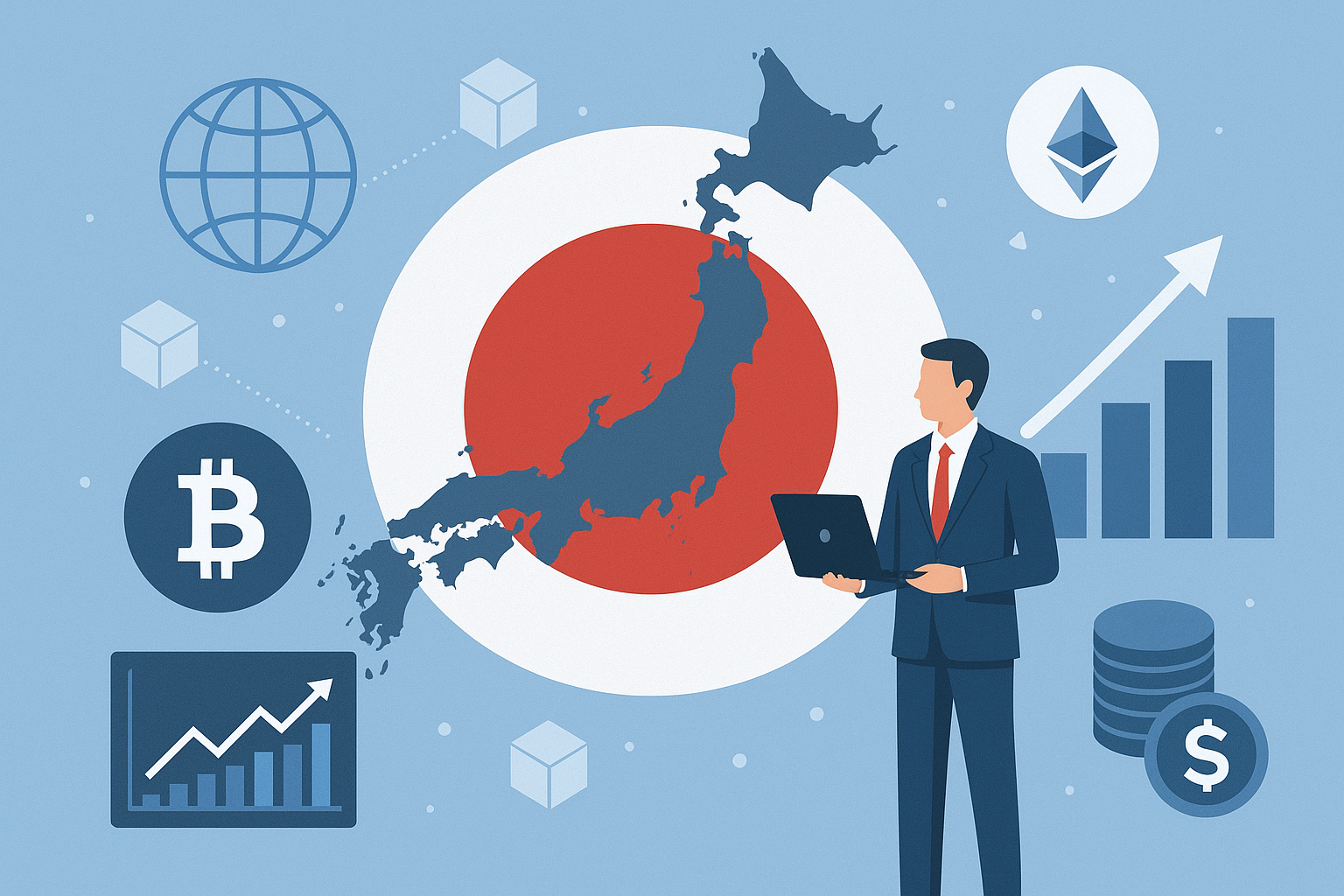
Japan is entering a historic phase in its economic evolution, fueled by the transformative potential of Web3. For years, the country has been cautious in its approach to cryptocurrency and blockchain technology, implementing strict regulations and high taxation. However, a combination of government reforms, new technologies, and corporate adoption has set the stage for a digital revolution. By 2032, the Japanese Web3 infrastructure market is projected to grow into a sixty-billion-dollar ecosystem, expanding at a compound annual growth rate of nearly fifty percent. This trajectory highlights not just speculative trends, but the emergence of a regulated, institution-friendly digital economy that could position Japan as a global Web3 leader.
A Growing Market Opportunity
The projections for Japan’s Web3 economy are bold but grounded in measurable trends. Market analysts forecast that by 2032, Web3 infrastructure in Japan will reach sixty billion dollars in value, driven by strong regulatory backing and increasing demand for tokenized financial products. Unlike many countries where digital asset growth is speculative and volatile, Japan’s path is guided by government policy and structural reforms. This approach reduces uncertainty for both investors and institutions, laying the groundwork for long-term expansion.
The market’s growth will be driven not just by cryptocurrencies but by the expansion of underlying infrastructure, stablecoin adoption, tokenized assets, and compliant blockchain networks. As regulations simplify entry and use, and as corporate giants roll out platforms tailored for mass adoption, the Japanese digital economy will shift from niche experimentation to mainstream finance.
2026 As A Turning Point
The year 2026 has emerged as a milestone for Japan’s Web3 transformation. Several policy changes and regulatory approvals are scheduled to take effect, providing clarity and confidence for investors and institutions alike.
Reduction In Crypto Taxation
One of the most significant reforms is the reduction of crypto capital gains tax to a flat twenty percent. Previously, gains from cryptocurrencies were taxed at rates as high as fifty-five percent, discouraging both retail traders and institutional investors from entering the market. By aligning digital asset taxation with that of equities, the government is signaling its intention to treat Web3 assets as integral parts of the broader financial system.
Approval Of Yen-Pegged Stablecoins
Another major development is the approval of Japan’s first regulated yen-pegged stablecoin. Known as JPYC, this digital currency will be backed one-to-one by yen reserves, with the possibility of government bond collateralization. The creation of a trusted stablecoin will open pathways for decentralized finance applications, blockchain payments, and tokenized securities. This is a crucial step in bridging traditional finance with blockchain-based systems.
Recognition Of Digital Assets Under Financial Laws
Japan’s recognition of cryptocurrencies and tokenized assets under its Financial Instruments and Exchange Act adds another layer of legitimacy. This move is expected to open the door for regulated Bitcoin exchange-traded funds and tokenized securities markets. With these reforms, Japan is laying the legal foundation for a digital asset market that is both secure and scalable.
The Role Of Technology Platforms
Policy reform alone cannot sustain an economic transformation. Japan’s Web3 growth will also be powered by innovative platforms and technologies that combine compliance, scalability, and user accessibility.
Trust Wallet And User Accessibility
Trust Wallet, one of the most widely used blockchain wallets, is playing a significant role in making digital assets accessible. With millions of active users, its focus on simple, AI-driven smart contracts allows users to interact with blockchain networks without technical friction. For Japan, where mass adoption is expected, such platforms bridge the gap between complex blockchain systems and the average consumer.
Japan Smart Chain and Compliance Infrastructure
Japan Smart Chain is another critical piece of infrastructure, designed with compliance at its core. By embedding electronic know-your-customer processes and anti-money-laundering safeguards directly into its protocol, it ensures regulatory requirements are met at a structural level. This makes it an attractive choice for enterprises and institutions that cannot compromise on compliance.
UPCX and Commerce Integration
The UPCX platform is designed to integrate blockchain payments seamlessly into traditional commerce. By optimizing gas fees and transaction confirmation times, it delivers efficiency comparable to mainstream payment systems. This makes blockchain transactions as smooth as Web2 alternatives like mobile banking or credit card payments, helping to normalize digital asset usage in everyday life.
Institutional Adoption And Strategic Alliances
Institutional players are taking decisive steps to solidify Japan’s Web3 future. Banks, financial institutions, and technology companies are working together to establish ecosystems that bridge traditional finance with blockchain technology.
Partnerships Driving Stablecoin and Tokenization
SBI Holdings has emerged as a key driver of this trend, forging alliances with global blockchain leaders to introduce stablecoins and tokenized securities in Japan. Partnerships with companies like Circle and Ripple have been aimed at integrating stablecoins into the regulated Japanese financial market. SBI has also launched ventures focusing on real-world asset tokenization, enabling twenty-four-hour on-chain trading of securities. These initiatives bring liquidity and accessibility to assets that were once restricted to limited trading windows.
The Role Of Corporate Giants
Major corporations in Japan, such as telecom companies, financial institutions, and even advertising agencies, are joining the Web3 push. Their participation signals a shift from viewing blockchain as speculative to recognizing it as a business enabler. From developing Web3 wallets to building tokenization platforms, these corporations are setting the stage for mass adoption.
The Intersection of AI And Web3
Artificial intelligence is playing an increasingly important role in Japan’s Web3 transformation. By merging AI capabilities with blockchain networks, efficiency, security, and scalability are significantly enhanced.
AI-powered smart contracts are expected to reduce operational costs by as much as thirty percent, while predictive analytics can optimize blockchain payment flows. Platforms like UPCX are already integrating AI to minimize gas fees and ensure near-instant transactions. These advances make blockchain not just viable but superior to traditional systems in terms of efficiency and cost-effectiveness.
Ecosystem Activation Through Deregulation
Deregulation has not only invited institutional capital but also activated a broader ecosystem of startups, corporations, and innovators. Since 2023, government initiatives have shifted from restrictive policies to supportive frameworks, opening the door for rapid development.
Telecom operators, digital banks, and technology firms are all investing in Web3 infrastructure. Advertising companies are also exploring blockchain as a tool for customer engagement and data transparency. The combined effect is the creation of a diverse ecosystem where every sector contributes to Web3 adoption.
Investment Opportunities And Thesis
For investors, Japan’s Web3 journey presents an attractive opportunity. With 2026 as a turning point, those who position themselves early could benefit from exponential growth.
Focus on Infrastructure Over Speculation
While speculative tokens may grab headlines, the real value lies in foundational infrastructure. Platforms like Japan Smart Chain, UPCX, and compliant wallets are built for scalability and regulatory alignment. Investments in these areas will provide more sustainable returns than short-term trading of volatile assets.
The Regulatory Flywheel
The interplay of regulation, institutional adoption, and technological development creates a powerful growth flywheel. Clear regulations attract institutions, institutions build platforms, and platforms drive adoption. Each cycle reinforces the others, creating exponential momentum that will be in full force by 2026.
AI and Cross-Chain Integration
Artificial intelligence and cross-chain integration will further accelerate growth. As AI optimizes performance and risk management, cross-chain platforms expand reach beyond Japan, integrating the country’s Web3 economy with global markets. This interconnectedness will strengthen Japan’s position as a hub for international blockchain finance.
Conclusion
Japan’s Web3 transformation is a story of vision, regulation, and innovation coming together at the right time. Unlike speculative booms in other markets, Japan’s path is grounded in government policy, institutional commitment, and compliance-first infrastructure. By 2026, as key reforms take effect, the country will reach an inflection point where digital assets, tokenization, and blockchain payments become mainstream.
For investors and innovators, Japan represents not just another crypto market but a blueprint for how a regulated Web3 economy can flourish. With its combination of technological readiness, regulatory clarity, and institutional engagement, Japan is set to become one of the most important digital finance markets of the next decade.