Cryptocurrency
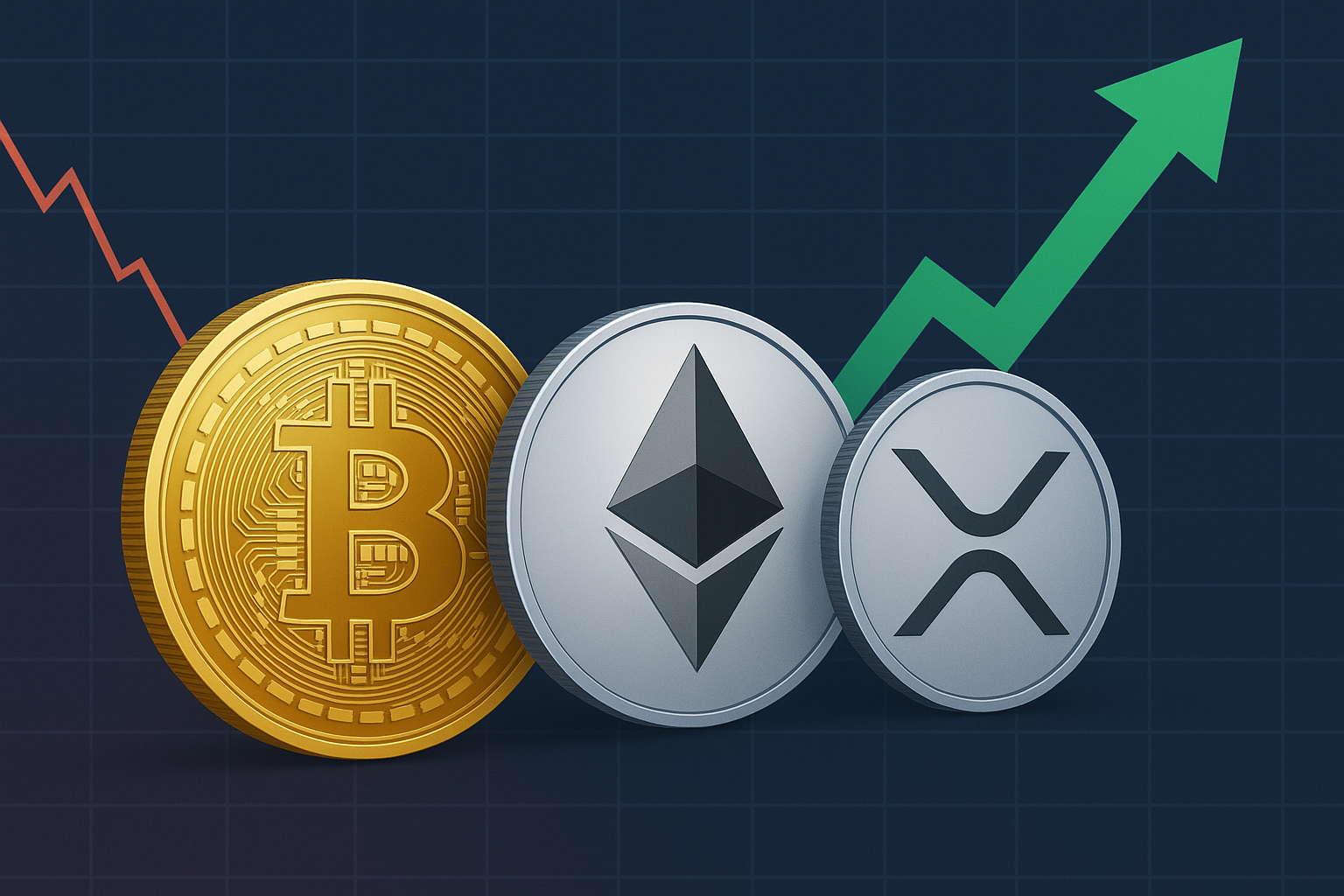
Bitcoin, Ethereum And XRP Recover After Selloff
Introduction
The global cryptocurrency market has once again demonstrated its notorious volatility. In a dramatic sequence of events, billions of dollars were wiped out from the market as overleveraged positions collapsed and major tokens such as Bitcoin, Ethereum, and XRP fell sharply. What followed was widespread panic among retail traders and a flurry of cautious analysis from institutional investors. Yet, in the midst of the turbulence, these leading digital assets have begun showing signs of recovery. The question now is whether this rebound is sustainable or if it is merely a temporary relief rally before another downturn.
The Anatomy Of The Selloff
The latest crash was triggered by a familiar set of conditions. For weeks, traders had been building up large leveraged positions across the cryptocurrency markets, anticipating higher returns from bullish sentiment and favorable monetary policy. When the Federal Reserve delivered a modest interest rate cut, many interpreted this as a green light for risk assets. However, the optimism proved short lived.
As Bitcoin’s price began to edge lower, heavily leveraged traders faced margin calls. This sparked a domino effect where automatic liquidations accelerated the decline. Analysts estimate that over 1.7 billion dollars in futures and leveraged positions were erased within a single session. Bitcoin accounted for nearly one fifth of this liquidation, Ethereum for almost one third, and the remainder came from a wide range of altcoins. The sharp and sudden nature of the decline spooked traders across the board.
Why Does The 111300 Dollar Level Matters?
Beyond the immediate panic, technical analysts focused on a critical level around 111300 dollars for Bitcoin. This threshold is considered the average cost basis for holders who have entered the market within the past six months. As long as Bitcoin trades above this level, most of these short term investors remain in profit. If it falls below, many would be sitting on losses, increasing the likelihood of further selling pressure.
In previous cycles, Bitcoin’s dips under its short term cost basis have often signaled deeper corrections. That is why this level is seen as both psychological and structural support. A failure to defend it could have opened the door to even sharper declines, while holding above it provides bulls with a reason to remain engaged.
Early Signs Of Recovery
Despite the severity of the selloff, prices did not remain depressed for long. Bitcoin managed to stabilize and even rise modestly in subsequent sessions, climbing above 113000 dollars. Ethereum and XRP also registered gains, though Solana and some other altcoins lagged behind. This resilience suggests that larger players in the market may be viewing the correction as an opportunity rather than a catastrophe.
Market veterans often point out that extreme volatility tends to flush out speculative excess. Once overextended leverage is cleared, stronger hands can step in to accumulate at lower levels. In this sense, the liquidation event may have set the stage for a more stable base from which the market can build.
Analyst Perspectives
Industry experts were quick to frame the crash as a healthy reset rather than a fatal blow. Some argue that excessive leverage had inflated prices beyond sustainable levels and that the correction was necessary to restore balance. Deleveraging, while painful in the short term, often leads to more durable rallies.
Others emphasize caution. While the bounce is encouraging, markets remain fragile. If Bitcoin fails to maintain momentum above its short term support zone, sellers could regain control. Furthermore, broader economic conditions and regulatory developments will play a decisive role in determining whether this recovery has legs.
The Role Of Monetary Policy
Monetary policy remains a major driver of crypto performance. The Federal Reserve’s rate cut initially encouraged traders to take on more risk, but the market reaction highlighted the complexities at play. Lower rates may make borrowing cheaper, yet they can also signal economic concerns that dampen investor confidence.
If the Fed continues to cut rates and provides dovish guidance, cryptocurrencies could benefit from renewed demand. On the other hand, if inflationary pressures reemerge or if policymakers adopt a cautious stance, risk assets like Bitcoin and Ethereum could struggle. The delicate balance between macroeconomic stability and monetary easing will be a key theme for the remainder of the year.
Regulatory Shifts And Institutional Adoption
Alongside macro factors, regulation is increasingly shaping the crypto narrative. In recent months, lawmakers and regulators have moved toward clearer frameworks for digital assets. This includes guidelines for stablecoins, discussions about exchange oversight, and pathways for institutional participation.
For institutional investors, clarity is essential. The more predictable the rules, the greater the willingness to allocate capital to crypto markets. This trend has already been visible in the form of rising interest from banks, asset managers, and trading platforms exploring crypto products. If these efforts continue, they could provide a stabilizing force even in volatile times.
Investor Behavior And Market Psychology
The recovery phase has highlighted the importance of investor psychology. Retail traders often react emotionally to sharp moves, selling at the bottom or chasing rallies. Meanwhile, long term investors and institutions tend to view corrections as opportunities to accumulate.
The key question is whether the current rebound represents genuine accumulation or just short term traders covering positions. If large holders begin redistributing into the rally, upside may be limited. But if demand outpaces supply, a more sustained uptrend could follow. Observing volume trends, exchange flows, and long term holder behavior will provide clues about market direction.
Divergence Among Altcoins
While Bitcoin often sets the tone, altcoins can chart different paths. Ethereum’s performance has remained relatively strong thanks to ongoing developments in decentralized finance and smart contract adoption. XRP has shown surprising resilience, benefiting from optimism about regulatory clarity and its use in cross border payments.
Solana and other newer tokens have struggled more, reflecting their higher risk profile. This divergence underscores the need for investors to be selective rather than assuming all digital assets will move in lockstep.
Potential Scenarios Ahead
The market now faces two broad scenarios. In the bullish case, Bitcoin holds above its support near 111300 dollars and pushes through resistance zones around 114000 dollars. This would open the door to a climb toward 120000 dollars and beyond in the medium term. Ethereum could follow suit with a breakout toward the 4600 to 5000 dollar range, while XRP could benefit from momentum and greater adoption.
In the bearish case, Bitcoin loses support and falls below 110000 dollars. Such a move could trigger another wave of selling, dragging the market into deeper correction territory. Under this outcome, investors may need to prepare for prolonged consolidation before recovery.
Long Term Outlook
Despite the recent turbulence, the long term outlook for cryptocurrency remains constructive. Institutional adoption is growing, regulatory clarity is improving, and blockchain technology continues to expand its use cases. These underlying factors suggest that digital assets are becoming more integrated into global financial systems.
Volatility, however, will always be part of the equation. Investors must balance short term risks with long term potential. For those able to withstand fluctuations, corrections like the recent one may present opportunities rather than threats.
Conclusion
The recent crypto selloff was a stark reminder of the risks inherent in this asset class. Yet, the swift rebound in Bitcoin, Ethereum, and XRP highlights the resilience of the market and the enduring appetite for digital assets. Whether this marks the beginning of a new rally or simply a pause before further declines will depend on a mix of technical factors, macroeconomic policy, regulatory clarity, and investor psychology.
For now, the message is clear. The crypto market remains volatile, but it is also maturing. Each correction brings with it a chance to reset, rebuild, and test the conviction of participants. Those who navigate these waters with patience and discipline may find themselves better positioned for the next chapter of growth in the evolving story of cryptocurrency.