Cryptocurrency
XRP Mastercard Debit Card Launch Transforming Crypto Payments
Introduction
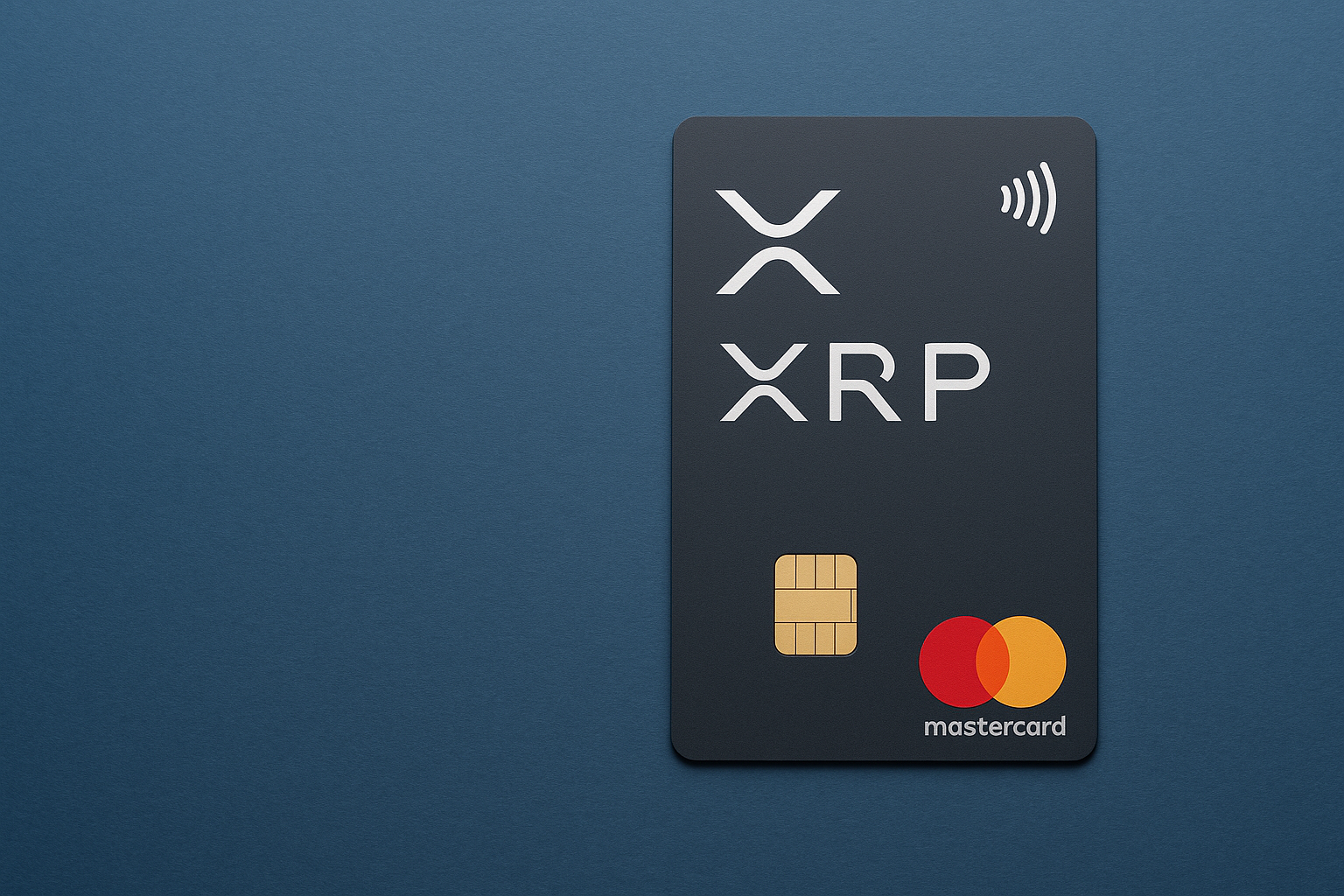
On August 25, 2025, a groundbreaking collaboration between Mastercard, Ripple, Gemini, and WebBank set the stage for one of the most important moments in cryptocurrency history. The launch of the XRP Mastercard debit card marks a bold attempt to bridge the gap between digital assets and traditional finance. Unlike many previous initiatives that only scratched the surface of crypto usability, this new product is backed by an impressive $ 75 million fund, signaling a serious move toward transforming XRP from a speculative asset into an everyday currency. The XRP Mastercard card allows users to spend their XRP directly at millions of merchants around the world without needing to manually convert tokens into fiat currency. This move could redefine how both consumers and institutions perceive digital money.
Turning XRP Into Spendable Money
The XRP Mastercard debit card is designed to behave like a regular debit card, but with a unique crypto twist. Instead of requiring users to manually trade XRP for dollars, euros, or baht before shopping, the conversion happens instantly at the point of purchase. Tap or swipe the card, and XRP is automatically converted into the local currency needed to complete the transaction. For the user, it is seamless, and for merchants, it is no different from processing any other Mastercard payment.
This frictionless system is powered by the strengths of each partner. Ripple brings the underlying XRP Ledger technology that ensures near-instant and low-cost transfers. Gemini contributes custody services and wallet infrastructure that handle secure storage and compliance. WebBank acts as the regulated issuer of the card, ensuring that consumer protection standards and legal frameworks are upheld. Mastercard delivers the global merchant network and payment rails that make the product usable almost anywhere. Together, these forces create a product that makes cryptocurrency not only usable but also practical in daily life.
How The XRP Debit Card Works?
The card works much like a standard debit card, but behind the scenes, its mechanics showcase the efficiency of blockchain. When a user makes a purchase, XRP from their wallet is instantly sold into the local currency and delivered to the merchant. The process takes only a few seconds, removing the delays and complications typically associated with blockchain confirmations.
One of the most compelling aspects of the XRP debit card is its affordability. Transaction fees are expected to be around one percent or less, which is often lower than traditional debit or credit card processing fees. On top of that, the card is rumored to include cashback incentives of up to four percent in XRP, rewarding users for their spending and encouraging adoption. These features give users tangible benefits beyond the novelty of paying with crypto.
By combining instant conversion, low fees, and attractive rewards, the XRP debit card is designed not just for crypto enthusiasts but also for mainstream users who want a simple, efficient way to spend digital assets.
The Impact On XRP’s Price Outlook
The announcement of the card launch immediately boosted XRP market sentiment. The token’s price surged after the news, reflecting investor confidence that real-world utility would translate into long-term value. The 75 million backing not only supports the infrastructure of the card but also represents a strong vote of confidence from Ripple and Gemini in XRP’s role in the global payment landscape.
Analysts suggest that if adoption grows quickly, XRP could see sustained upward momentum. Price targets around three to four dollars are already being discussed in trading communities, with the potential for even higher valuations if usage expands across multiple markets. In past cycles, XRP has often rallied on adoption-based catalysts, and the Mastercard debit card represents one of the most significant real-world use cases to date.
Of course, the extent of growth will depend on how widely the card is adopted. If millions of users begin to spend XRP for groceries, travel, dining, and retail purchases, the increased demand could reduce circulating supply and fuel further appreciation. On the other hand, if uptake is slower than expected, the price impact may be more modest. Regardless, the card solidifies XRP’s image as more than just a speculative token.
Redefining Crypto Adoption
For years, one of the biggest criticisms of cryptocurrencies has been that they serve little purpose outside of trading and speculation. The XRP Mastercard debit card directly addresses that concern. It transforms XRP into a tool for everyday transactions, allowing holders to pay for goods and services without going through complicated exchange processes.
This move shifts the narrative around cryptocurrency adoption. Instead of asking why someone should bother holding XRP, the new question becomes why wouldn’t someone want to hold an asset that can appreciate in value and also function as spendable money. By offering simplicity, utility, and incentives, the XRP debit card pushes crypto closer to mainstream integration in everyday financial systems.
The Role Of Regulation And Compliance
One of the most impressive elements of the XRP debit card is its regulatory foundation. Many previous crypto payment products have failed because they lacked strong compliance structures, leaving them vulnerable to regulatory scrutiny or outright bans. In this case, WebBank serves as the issuer of the card, ensuring that consumer protections and banking regulations are fully observed.
This level of compliance provides a sense of legitimacy that helps both consumers and regulators trust the product. By working within existing financial frameworks rather than trying to bypass them, Ripple, Gemini, and Mastercard have created a system that stands a better chance of lasting. The presence of established institutions behind the card signals to governments, banks, and payment processors that this is not a fringe experiment but a serious financial innovation.
Market Positioning And Global Expansion
The timing of the XRP debit card launch is no coincidence. Global cryptocurrency adoption has been steadily increasing, with millions of new investors entering the market over the past few years. At the same time, institutional demand for practical blockchain applications has intensified. By entering the market now, the XRP Mastercard positions itself at the crossroads of consumer adoption and institutional interest.
Marketing efforts have already played a big role in building anticipation. Billboards in major cities and online campaigns have highlighted the card’s launch, creating buzz not only within the crypto community but also among everyday consumers. The rollout strategy also includes launching in regions where cross-border transactions are common, such as Southeast Asia. In markets like Thailand, where tourism and remittances drive demand for efficient payment systems, the XRP card could prove especially popular.
If the card succeeds in these initial markets, expansion into Europe, North America, and other parts of Asia could follow quickly. Each new market would compound the impact, creating a cycle of adoption that further strengthens XRP’s position as a usable currency.
Risks And Challenges
Despite its promise, the XRP Mastercard debit card faces hurdles. Market volatility remains a challenge. If XRP’s value fluctuates wildly, consumers may hesitate to use it for everyday purchases. Regulatory environments also vary by country, and Ripple’s ongoing legal battles could limit expansion in certain regions.
Additionally, changing consumer behavior takes time. Even with rewards and efficiency, many people remain comfortable using traditional debit or credit cards linked to fiat bank accounts. For the card to succeed, it must offer undeniable advantages that encourage people to switch.
Still, the strong institutional backing, robust marketing, and technical design suggest that these challenges can be managed.
Broader Implications For The Crypto Industry
The XRP Mastercard debit card has significance beyond Ripple and its partners. If successful, it will set a precedent for how other cryptocurrencies can bridge into mainstream payment systems. It demonstrates that crypto can be more than digital gold or a speculative vehicle—it can be integrated into everyday financial life.
Other blockchain projects may follow with similar products, leading to a wave of crypto debit and credit solutions. As this ecosystem grows, consumers could one day choose whether to spend dollars, euros, or digital assets at checkout, all with the same level of ease. This kind of innovation accelerates the vision of a future where money is borderless, efficient, and digital at its core.
Conclusion
The launch of the XRP Mastercard debit card on August 25, 2025, backed by 75 million and supported by Ripple, Gemini, Mastercard, and WebBank, marks a historic milestone for the cryptocurrency industry. It transforms XRP from a speculative asset into a spendable currency, offering instant conversion, low fees, attractive rewards, and global merchant acceptance.
While risks remain in the form of regulatory challenges, volatility, and adoption hurdles, the potential benefits are immense. If successful, this product could redefine the way the world views and uses digital assets, not just for investing but for living. For XRP holders, the debut of this card represents more than convenience—it signals the dawn of a new era for cryptocurrency adoption.